Ulrich Zwingli en Majuba
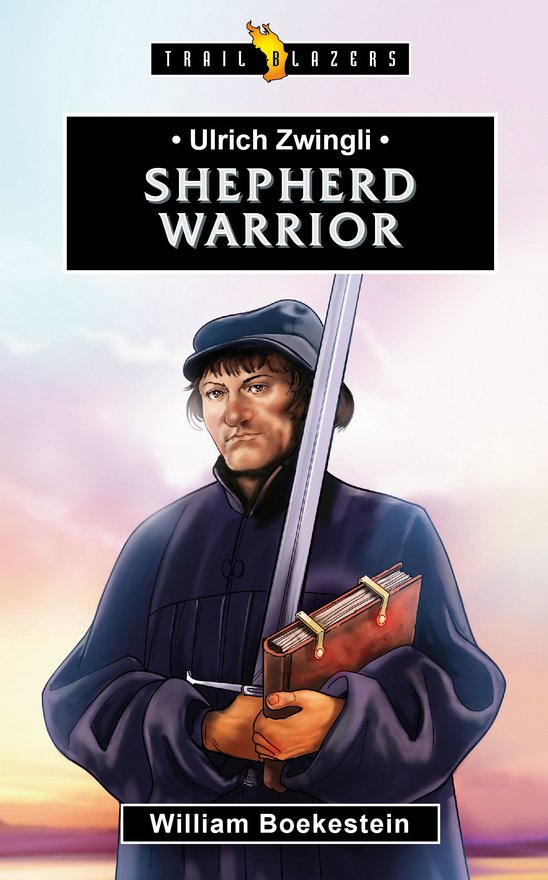
“To know the limbs and leaps of history is hardly worh a cent… The only thing which counts is that you become more certain of your God as you contemplate the past, and that you then show more courage in the face of present needs!” – Ulrich Zwingli (prediker & kapelaan in Zurich, 1484-1531)
Wat het Zwingli te doen met Majubadag, wat vandag en oor die naweek gevier gaan word?
Hopelik alles!
Beide Zwingli se Zurich (Switzerland) en die Boererepublieke was gegrond in die gereformeerde geloof en lewens- en wêreldbeskouing as produk van die 16de eeuse kerkreformasie, wat o.a. geleer het, terug na die Heilige Skrif alleen (sola Scriptura), ‘n mens word gered uit genade alleen, deur die geloof in Christus alleen, sonder enige werke, dus die suiwere evangelie van Jesus Christus (sola gratia, solus Christus, sola fide). En as vrug van daardie evangelie, moet die hele lewe in dankbare diens van God gestel word, Jesus alleen is die enigste Vredevors en soewereine Koning van die ganse lewe.
En dan, behalwe vir die bekering en reformasie van die individu, gesin, gemeente, moet ook die hele gemeenskap en stad of dorp, en ten einde lande en volke in diens van God gestel word tot sy eer (soli Deo gloria), ‘n vrug was van die reformatoriese geloof wat herontdek is in die 16de eeu en daarna.
Ook Zwingli, het vrede gesoek met alle mense sover dit moontlik is (Rom. 12:17-21), maar geglo daar is ook ‘n plek en tyd vir ‘n regverdige oorlog (‘just war theory‘), deur ook militêr sterk te staan teen die aggressors wat wil oorheers en onreg pleeg teen kerke en lande (in 1529 was daar die burgeroorlog tussen die Katolieke kantons en die gereformeerde kantons in Switzerland, waar Zwingli as kapelaan ook gesterf het). Daarom ook dat die ZAR en OVS Boererepublieke ook hul regverdige oorlog en stryd gevoer het teen die Britse maghebbers en oorheersers aan die einde van die 19de eeu .
Luister in die besonder na die volgende kort audio van die skrywer van die boek hierbo vermeld, waarin hy beskryf wat baie leersaam is by Zwingli, dat godsvresende manne en leiers sterk moet staan in die geestelike én fisiese stryd van die lewe, om dus ‘manlik’ te wees in beide die geloofs- én fisiese stryd van die lewe, alles tot eer van God en die heil van ons naaste (1 Kon. 2:2; Joël 3:9; 1 Kor. 6:13; 2 Tim. 2:3).
Luister gerus daarna ook na die hele onderhoud wat gevoer is met die skrywer oor sy boek en studies van Zwingli se lewe. Zwingli word baiemaal afgeskeep deur gereformeerde gelowiges deur die eeue, vir verkeerde en baiemaal onkundige redes, ds. Boekestein verduidelik dit in sy onderhoud:
Zwingli as ‘n krygsman van Christus (2 Tim. 2:3)
Volledige audio opname (is ook op Spotify beskikbaar):
Die engelse en Afrikaanse vrye vertaling van Boekestein se boek is albei beskikbaar by Good Neighbours Bookshop:

Sien ook hierdie bron oor Zwingli en die Switserse Reformasie:
For God and His people: Ulrich Zwingli and the Swiss Reformation, by Jean Henri Merle d’Aubigné
Zwingli se 67 Artikels van die Geloof hier. ‘n Paar artikels:
II. The sum and substance of the Gospel is that our Lord Jesus Christ, the true Son of God, has made known to us the will of his heavenly Father, and has with his innocence released us from death and reconciled God.
III. Hence Christ is the only way to salvation for all who ever were, are and shall be.
XIV. Therefore all Christian people shall use their best diligence that the Gospel of Christ be preached alike everywhere.
XXII. That Christ is our justice, from which follows that our works in so far as they are good, so far they are of Christ, but in so far as they are ours, they are neither right nor good.
XXXVII. To them, furthermore, all Christians owe obedience without exception.
XXXVIII. In so far as they do not command that which is contrary to God.
XXXIX. Therefore all their laws shall be in harmony with the divine will, so that they protect the oppressed, even if he does not complain.
XLIX. Greater offence I know not than that one does not allow priests to have wives, but permits them to hire prostitutes. Out upon the shame!
L. God alone remits sin through Jesus Christ, his Son, and alone our Lord.
Paar werke van Zwingli hier.
Sien ook hierdie werk met oorspronlike tekste: Zwingli and Bullinger.
“Zwingli staan nader by Calvyn as Luther. Ook vir hom was die Heilige Skrif die enigste bron van die waarheid. Verder het hy die predestinasieleer bely en in die erediens van dieselfde standpunt as Calvyn uitgegaan, naamlik dat alles verwyder moes word wat nie uitdruklik in die Heilige Skrif voorgeskrywe is nie. Hulle het teruggekeer na die eenvoud van die ou Christelike kerk. Net soos Calvyn het Zwingli goed begryp dat die Woord van God ook vir die gewone daaglikse lewe gesaghebbend is, asook vir die politiek en dat dit nie net handel oor die saligheid van die mens nie.” – S. Du Toit in sy Kerkgeskiedenis oor Zwingli
“Third, in both theological and ecclesiastical terms, Zwingli was a leading figure in Zurich. His theology lay the basis for his preaching activity; and, it seems to me, his basic premise was that preaching must aim at the renewal of the whole community. Zwingli was convinced that the preachers would be asked in the final judgment whether or not they had endeavored to preserve the community from sin and sinners. In a sense, Zwingli tried to change the whole city into a cloister, the whole community into a body of Christ. Therefore, he attacked both the Anabaptists, who formed a separate group within the Christian body, and the Catholics, who maintained the existence of certain spiritual enclaves within the urban society.
Fourth, and finally: Aside from the contributions of his theological thinking, it may be said of Zwingli that he carried out his message in person. His participation in the battle at Kappel in 1531 was a clear expression of this fact. There he fought bravely indeed, as the oldest sources tell With the Zwinglian defeat at Kappel, as well as Zwingli’s own death there, ended the dream to be able to win not only Zurich but also the whole Swiss Confederacy to the Zurich model of renewal of Christianity. With that battle at Kappel, the expansion of the Reformation in northern Switzerland was immediately terminated, and the denominational map of German Switzerland was thereafter fixed for centuries to come.
Catholics and Lutherans alike commented on Zwingli’s death that obviously God had spoken out his judgment upon this heretic. Be that as it may, there is no doubt that Zwingli stands as an honest example of a preacher who cared about his fellow human beings and who cared about the community in which he lived and served. In my opinion, this is in itself a contribution to the history of Christianity that is worthy of both praise and emulation.” – Ulrich Gabler, Huldrych Zwingli and his city of Zurich.
Hier is verdere inligting oor Majubadag:
 PRO REGNO
Leave a comment